
High-Speed Nail Making Machine: Revolutionize Your Production Efficiency & Profitability
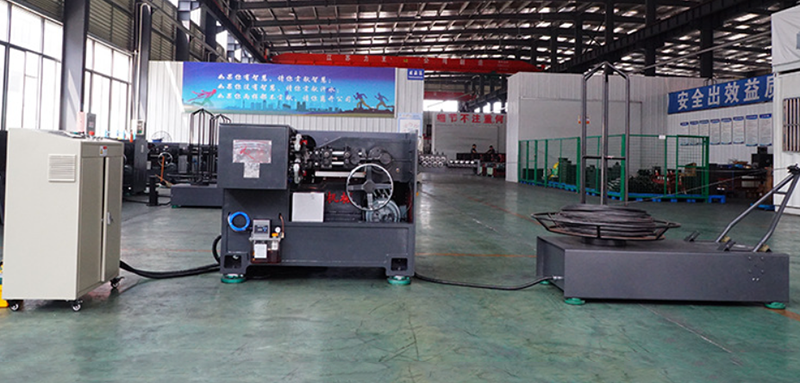
In the fast-paced world of construction, furniture manufacturing, and hardware production, efficiency and quality are the twin pillars of success. If you’re still struggling with low output, high defect rates, and rising labor costs from traditional nail-making equipment, it’s time to upgrade to a high-speed nail making machine—your ultimate solution to streamline production, cut costs, and stay ahead of the competition globally.
The global demand for high-quality nails is soaring, driven by booming infrastructure projects, the growth of the furniture industry, and the expansion of packaging and logistics sectors. As a manufacturer, you need equipment that can keep up with this demand while maintaining consistent quality and reducing operational overhead. A high-speed nail making machine is not just a piece of equipment; it’s an investment that delivers tangible returns by transforming your production line from slow, labor-reliant to fast, automated, and cost-effective.
Why High-Speed Nail Making Machines Are a Game-Changer for Your Business
Gone are the days of manual or semi-automatic nail production that leaves room for human error, inconsistent quality, and limited output. Modern high-speed nail making machines integrate advanced technology to solve the most pressing pain points of nail manufacturers worldwide:
Unmatched Production Speed & Efficiency
With speeds reaching up to 800 pieces per minute (and even higher for specialized models), high-speed nail making machines outperform traditional equipment by 3-5 times. Whether you’re producing common nails, D-type nails, coil nails, or spiral shank nails, these machines ensure continuous, high-volume production without compromising speed. For example, the X90 model can achieve an average output of 200 kg per hour, allowing you to fulfill large orders faster and take on more business opportunities.
Superior Quality & Near-Zero Defect Rates
Quality control is critical in the nail industry—defects like bent nails, uneven nail caps, inconsistent lengths, or "airplane heads" can ruin your brand reputation and lead to costly rejections. High-speed nail making machines address this with innovative designs: dual-mode double punching technology ensures uniform nail cap diameter and thickness, while high-precision feeding systems control nail length errors within 0.3mm. Advanced sensors and PLC control systems detect abnormalities in real time, triggering alarms and automatic shutdowns to prevent defective products from entering the market. With these features, you can achieve a defect rate close to zero, saving material waste and boosting customer trust.
Significant Cost Savings Across the Board
In an era of rising labor and material costs, cost reduction is key to maximizing profits. High-speed nail making machines deliver savings in multiple ways:
Labor Savings: A single skilled worker can operate up to 10 sets of high-speed machines, eliminating the need for a large workforce and reducing labor costs by 60% or more.
Material Efficiency: Innovative feeding and cutting systems minimize wire waste, while advanced nail knife and mold designs reduce wear and tear—some nail knives can achieve over 10 million cuts, lowering replacement costs. On average, manufacturers can reduce the comprehensive cost per ton of nails by more than 150 yuan, saving up to 45,000 yuan annually.
Low Maintenance Costs: Built with high-quality components—such as nodular cast iron frames, Japanese NSK bearings, and brand-name reducers—these machines have a long service life and require minimal maintenance, reducing downtime and repair expenses.
Versatility to Meet Diverse Market Needs
The global nail market demands a wide range of products for different applications—from construction framing to delicate woodworking, and from packaging to heavy-duty industrial use. High-speed nail making machines are highly versatile, capable of producing various nail types and sizes with simple mold changes. Whether you need common nails for residential construction, spiral shank nails for outdoor structures, or coated nails for corrosion resistance, these machines can adapt to your needs, helping you expand your product range and tap into new market segments.
What Sets Top-Tier High-Speed Nail Making Machines Apart?
Not all high-speed nail making machines are created equal. The best models combine cutting-edge technology, robust construction, and user-friendly design to deliver long-term value. Here are the key features to look for:
Innovative Core Technology: Patented dual-mode double punching and oil-free swing rod feeding structures ensure stability, precision, and durability, solving common problems in traditional machines.
Intelligent Control Systems: PLC control and multiple sensors enable automatic operation, real-time fault detection, and easy parameter adjustment—even novice operators can master the machine with simple training.
High-Quality Components: 95% of key parts are processed in-house, using high-grade mold steel, nodular cast iron, and imported bearings to ensure reliable performance and long service life.
Customization & After-Sales Support: Leading manufacturers offer customized solutions based on your production needs, along with one-on-one technical guidance and comprehensive after-sales service to ensure your machine runs smoothly at all times.
Real Success Stories: Manufacturers Thrive with High-Speed Nail Making Machines
Countless manufacturers worldwide have transformed their businesses with high-speed nail making machines. A天津-based nail factory replaced its traditional equipment with 15 high-speed machines and saw a dramatic increase in output, fully meeting the demand for large orders and boosting annual profits significantly. A大连-based manufacturer, who struggled with defect rates and low efficiency for years, switched to high-speed machines and expanded its production line to 10 units, solving long-standing quality issues and growing its market share.
In the global market, Chinese high-speed nail making machines are gaining popularity for their high performance, competitive price, and reliable quality—costing only 1/4 of German counterparts while offering similar functionality, with spare parts 1/5 the price. This makes them an ideal choice for manufacturers in Southeast Asia, South Asia, Africa, and other emerging markets, where cost-effectiveness and efficiency are top priorities.

 Send Email
 Whatsapp